
Helping a Loved One Through Probate: A Complete Guide to Selling a Probate Home in California
What Families Need to Know After Losing a Loved One
Losing a loved one is one of life's most difficult experiences.
In the days and weeks that follow, families often find themselves making decisions they never expected to face. Along with the emotional weight of grief, there are practical responsibilities that can quickly become overwhelming.
One of those responsibilities may be deciding what to do with a home.
If you've recently inherited a property or have been named the executor or personal representative of an estate, you may be asking questions like:
- Can we sell the home during probate?
- Do all the heirs have to agree?
- What happens if the house needs repairs?
- Should we renovate before selling?
- How long does probate take?
- Where do we even begin?
If those questions sound familiar, you're not alone.
Over the years, we've helped many families throughout Chino, Chino Hills, the Inland Empire, and Orange County navigate the probate home-selling process. While every estate is unique, one thing remains the same—families need guidance from professionals who understand both the legal process and the emotional challenges that come with it.
This guide will help you understand what probate is, how the home-selling process typically works, and what steps can help reduce stress during an already difficult time.
What Is Probate?
Probate is the legal process used to settle a person's estate after they pass away.
Depending on the circumstances, the court may oversee the distribution of assets, payment of debts, and transfer of property to heirs or beneficiaries.
If a home is part of the estate, there are often additional steps that must be completed before it can be sold.
The probate process exists to ensure that the estate is handled properly and according to California law.
While that may sound intimidating, the process becomes much more manageable when you have experienced professionals guiding you along the way.
Why Probate Can Feel So Overwhelming
For many families, selling a probate property isn't simply another real estate transaction.
It's the home where holidays were celebrated.
Where children grew up.
Where memories were made over decades.
At the same time, the property may also present challenges such as:
- Deferred maintenance
- Years of accumulated personal belongings
- Mortgage payments
- Property taxes
- Insurance concerns
- Utility bills
- Family disagreements
- Court timelines
Trying to manage all of those responsibilities while grieving can feel overwhelming.
That's why having a clear plan is so important.
Who Is Responsible for Selling the Home?
Every probate case is different, but the responsibility often falls to the person appointed by the court or named in the estate plan.
Depending on the situation, that person may be:
- The Executor
- The Personal Representative
- The Administrator of the Estate
- A Trustee (if the property is held in a trust rather than probate)
Their responsibility is to act in the best interests of the estate and the beneficiaries while following all applicable legal requirements.
A knowledgeable probate attorney and experienced real estate professional can work together to help ensure the process moves as smoothly as possible.
Do Probate Homes Need to Be Fixed Up Before Selling?
One of the biggest misconceptions about probate sales is that the home must be completely renovated before it can be listed.
In many cases, that's simply not true.
Every property is different.
Sometimes completing a few cosmetic improvements can increase buyer interest and maximize the sale price.
Other times, selling the property in its current condition makes the most financial sense.
The right strategy depends on several factors, including:
- The home's condition
- The local market
- The estate's timeline
- Available funds
- The goals of the heirs or beneficiaries
Rather than assuming major renovations are necessary, it's often best to evaluate the property's potential before making expensive decisions.
Common Mistakes Families Make During Probate
No one expects to become an expert in probate.
For most families, it's something they experience only once.
That's why it's completely understandable to feel uncertain about the process.
Unfortunately, we've seen well-intentioned families make decisions that end up costing them time, money, and unnecessary stress.
Understanding these common mistakes can help you avoid many of the challenges that often arise during a probate sale.
Mistake #1: Waiting Too Long to Make a Plan
Grief affects everyone differently.
Some families want to make decisions immediately.
Others find it difficult to even think about the property for months.
Both reactions are completely normal.
However, waiting too long without creating a plan can sometimes create additional problems.
Vacant homes still require:
- Mortgage payments
- Property taxes
- Insurance
- Utility payments
- Lawn maintenance
- General upkeep
- Security
Without regular attention, a vacant property can quickly begin to deteriorate.
That doesn't mean you should rush into selling.
It simply means having a plan can help protect one of the estate's most valuable assets.
Mistake #2: Assuming the House Must Be Completely Remodeled
One of the first questions families ask us is:
"Do we have to fix everything before selling?"
The answer is...
Not necessarily.
We've seen families spend tens of thousands of dollars on renovations that didn't significantly increase the final sales price.
We've also seen properties sell quickly with little or no remodeling because they were priced appropriately and marketed correctly.
Every probate home is different.
Before investing money into repairs, it's important to evaluate:
- The current condition of the home
- Comparable sales
- Buyer demand
- The estate's financial goals
- The timeline for selling
Sometimes simple improvements such as landscaping, cleaning, fresh paint, and professional staging provide a much better return than major renovations.
The right strategy depends on the individual property—not a one-size-fits-all approach.
Mistake #3: Letting Emotions Drive Financial Decisions
This is one of the hardest parts of selling a family home.
Every room tells a story.
Family dinners.
Holiday celebrations.
Birthday parties.
Graduations.
Years of memories.
Because of those emotions, it's common for families to believe the home is worth more than today's market is willing to pay.
That's understandable.
Emotional value and market value are two very different things.
One of our responsibilities is helping families separate those emotions from the pricing strategy.
Doing so often leads to better decisions and a smoother sale.
Mistake #4: Not Understanding Today's Market
Many probate homes have been owned by the same family for twenty, thirty, or even fifty years.
The real estate market may have changed dramatically during that time.
Today's buyers compare every property online before deciding which homes to visit.
They evaluate:
- Asking price
- Condition
- Monthly payment
- Property taxes
- Insurance costs
- Days on market
- Seller concessions
- Comparable homes nearby
Understanding how buyers think today can help families position the property to attract the strongest offers.
Mistake #5: Trying to Handle Everything Alone
Probate often involves much more than selling a house.
Families may also need help with:
- Probate attorneys
- Estate sales
- Junk removal
- Professional cleaning
- Movers
- Contractors
- Landscapers
- Insurance questions
- Utility transfers
Trying to coordinate all of those services while grieving can become overwhelming.
One experienced real estate professional can often help connect families with trusted local resources, making the entire process much less stressful.
Preparing a Probate Home for Sale
Every probate property is different.
Some homes have been beautifully maintained for decades.
Others may need significant attention before they're ready for the market.
Rather than immediately asking,
"How much should we spend?"
We encourage families to ask a different question.
"What improvements will provide the greatest return?"
Sometimes the answer is very simple.
Small improvements can make a tremendous difference.
These may include:
- Deep cleaning
- Landscaping
- Removing excess furniture
- Decluttering
- Fresh interior paint
- Carpet cleaning
- Minor repairs
- Professional photography
These relatively inexpensive improvements often help buyers focus on the home's potential instead of its imperfections.
Selling a Probate Home "As-Is"
Many families worry that buyers won't be interested in a home needing repairs.
Fortunately, that's often not the case.
Today's market includes many different types of buyers.
Some are looking for completely remodeled homes.
Others specifically search for homes they can update themselves.
Depending on the property's condition and the family's goals, selling "as-is" may be the right decision.
The key is developing a pricing and marketing strategy that attracts the appropriate buyers while maximizing the estate's value.
There isn't one right answer.
Every probate sale deserves its own customized plan.
Handling Personal Belongings After the Loss of a Loved One
For many families, selling the home isn't the hardest part of probate.
Going through a loved one's personal belongings often is.
Every room holds memories.
Every closet tells a story.
Old family photos.
Holiday decorations.
Children's artwork.
Furniture that's been in the family for decades.
It's completely normal for this process to take time.
One of the biggest mistakes families make is feeling pressured to rush through it.
Instead, we encourage families to create a plan.
Many find it helpful to sort belongings into categories:
- Items to keep
- Items to give to family members
- Items to donate
- Items to sell
- Items to discard
Taking the process one room at a time often makes it feel much more manageable.
If the estate is large or overwhelming, professional estate sale companies, organizers, and junk removal services can often provide valuable assistance.
The goal isn't simply to empty the house.
It's to honor your loved one's legacy while preparing the property for its next chapter.
Working With Multiple Heirs
One of the more challenging aspects of probate can be navigating differing opinions among family members.
It's common for heirs to have different perspectives about:
- Whether to sell the home.
- When to sell.
- How much to spend on repairs.
- What the asking price should be.
- Which belongings should stay or go.
- How quickly the process should move.
These conversations can become emotional, especially when grief is still fresh.
One of the best ways to reduce conflict is through open communication and a shared understanding of the estate's goals.
Whenever possible, decisions should be based on facts, current market conditions, and the long-term interests of the estate rather than emotion alone.
Having experienced professionals involved often helps families focus on solutions instead of disagreements.
A Typical Probate Home Sale Timeline
Every probate case is unique.
Some estates move quickly.
Others take considerably longer depending on the circumstances.
While no two situations are exactly alike, many probate sales generally follow a process similar to this:
Step 1
A loved one passes away.
Step 2
The estate begins the probate process or trust administration.
Step 3
The Executor, Administrator, Personal Representative, or Trustee is identified.
Step 4
The property is evaluated and a selling strategy is developed.
Step 5
The home is prepared for the market.
This may include cleaning, organizing, minor repairs, or simply preparing the property for professional photography.
Step 6
The home is listed for sale.
Marketing begins and qualified buyers begin touring the property.
Step 7
Offers are reviewed.
Depending on the situation, court approval may or may not be required before moving forward.
Step 8
Escrow begins.
The buyer completes inspections, financing, and all contractual obligations.
Step 9
The sale closes.
The proceeds are distributed according to the applicable legal process.
Every estate has its own timeline, which is why it's important to work closely with your probate attorney and experienced real estate professional throughout the transaction.
Understanding Taxes (General Information)
One of the most common questions families ask is:
"Will we owe taxes when we sell the home?"
The answer depends on many different factors.
These may include:
- Whether the property receives a step-up in basis.
- How the property was titled.
- Whether it was held in a trust.
- The property's value.
- Federal and California tax laws.
- The estate's individual circumstances.
Because every family's situation is different, we always recommend speaking with a qualified CPA or tax professional before making financial decisions.
A knowledgeable tax advisor can help explain how current tax laws may apply to your specific situation.
Why Choosing the Right Real Estate Agent Matters
Not every real estate transaction is the same.
Probate sales often involve additional communication, planning, patience, and coordination that traditional home sales may not require.
An experienced probate Realtor can help coordinate with:
- Probate attorneys
- Trustees
- Executors
- Estate representatives
- Contractors
- Estate sale companies
- Clean-out services
- Landscapers
- Professional photographers
- Escrow and title companies
More importantly, they understand that families aren't just selling a house.
They're closing an important chapter of someone's life.
That perspective changes everything.
Alberto & Leticia's Perspective
Over the past 20+ years, we've learned something important about probate sales.
Families don't call us because they're excited about selling a home.
They call us because they're overwhelmed.
They're grieving the loss of someone they love.
They're trying to honor that person's legacy while making difficult decisions, often with siblings or other family members, all while balancing work, children, and everyday life.
During moments like these, our first priority is never the sale.
Our first priority is helping families create a plan.
We believe people deserve clear answers, honest guidance, and someone who will listen before offering advice.
Because this isn't simply another real estate transaction.
It's someone's family home.
A place filled with memories.
A place where birthdays were celebrated, holidays were shared, and life happened.
Our role extends far beyond placing a sign in the yard.
We're here to simplify a process that often feels overwhelming, coordinate the details, communicate clearly, and help families move forward with confidence and peace of mind.
If, by the end of the process, we've made an incredibly difficult season just a little easier for a family, then we've done our job.
Frequently Asked Questions About Selling a Probate Home
Can a home be sold during probate in California?
Yes. In many cases, a home can be sold during the probate process, although the specific requirements depend on the circumstances of the estate. Some probate sales require court approval, while others may not. A probate attorney can explain the requirements that apply to your situation.
Do all heirs have to agree before selling the home?
Every estate is different. Depending on the will, trust, court orders, or legal authority granted to the Executor, Administrator, Personal Representative, or Trustee, the decision-making process may vary. If multiple heirs are involved, clear communication and professional guidance can help avoid unnecessary conflict.
Can we sell the home "as-is"?
Yes.
Many probate homes are sold in their current condition without major renovations.
Some buyers specifically look for homes they can update themselves, while others are searching for move-in-ready properties.
The best approach depends on the home's condition, the local market, the estate's goals, and the available budget.
Should we clean out the house before listing it?
In most cases, yes.
A clean, organized home allows buyers to better visualize the property's potential.
However, every situation is different.
Some families complete the clean-out before listing, while others prefer to sell the property after removing only personal belongings.
We'll help you determine the strategy that makes the most sense for your situation.
Should we make repairs before selling?
Not always.
Some repairs may increase buyer interest and improve the final sales price.
Other improvements may not provide a meaningful return on investment.
Before spending money, it's often helpful to evaluate the home's condition, buyer demand, and current market conditions.
The goal is to make informed decisions—not expensive assumptions.
How long does a probate sale usually take?
Every probate case is different.
The timeline depends on factors such as court requirements, estate administration, property preparation, market conditions, buyer financing, and whether court confirmation is required.
Your probate attorney and real estate professional can help explain the expected timeline for your specific situation.
What if the home has been vacant for a long time?
Vacant homes are common in probate cases.
It's important to ensure the property is properly maintained, secured, and insured while it's being prepared for sale.
Simple maintenance such as landscaping, regular inspections, and routine upkeep can help protect the home's value until it sells.
Can you help us if we live out of state?
Absolutely.
Many families we assist live outside the area.
We regularly coordinate inspections, contractors, estate clean-outs, photographers, landscapers, escrow, and other services on behalf of out-of-town clients.
Our goal is to make the process as smooth and stress-free as possible, regardless of where you live.
Probate Home Seller Checklist
Selling a probate property involves many moving parts.
Having a plan can make the process feel much more manageable.
Here's a simple checklist to help you get started.
✔ Consult with a probate attorney if needed.
✔ Identify the Executor, Administrator, Personal Representative, or Trustee responsible for the estate.
✔ Secure the property and verify insurance coverage.
✔ Forward mail and update utility accounts if necessary.
✔ Gather important documents related to the property.
✔ Decide which personal belongings will be kept, donated, sold, or discarded.
✔ Schedule a professional evaluation of the home's condition.
✔ Determine whether repairs or improvements are appropriate.
✔ Develop a pricing and marketing strategy.
✔ Prepare the home for professional photography.
✔ Review all offers carefully.
✔ Work closely with your attorney, escrow officer, and real estate professional throughout the transaction.
Taking these steps one at a time often makes the process feel far less overwhelming.
Final Thoughts
Selling a probate home is about much more than transferring ownership.
It's about honoring someone's life while helping their family move forward.
Every probate property has its own story.
Every family has its own challenges.
Every situation deserves patience, compassion, and thoughtful guidance.
While the legal process may seem complicated at first, you don't have to navigate it alone.
With the right team of professionals by your side, it's possible to move through the process with confidence while making informed decisions that protect the estate and serve the family's best interests.
Our hope is that this guide has provided clarity during what can be an emotional and uncertain time.
Even if you're just beginning the probate process, understanding your options is often the first step toward reducing stress and moving forward with confidence.
How We Can Help
If you're navigating the probate process, you don't have to figure everything out on your own.
Selling a probate home involves much more than putting a property on the market. It often requires coordinating with attorneys, family members, contractors, estate sale companies, clean-out services, and escrow professionals—all while you're dealing with the emotional loss of someone you love.
Our role is to help simplify that process.
For more than 20 years, we've helped families throughout Chino, Chino Hills, the Inland Empire, and Orange County navigate complex real estate situations with honesty, compassion, and clear communication.
Whether you're ready to sell now or you're simply looking for answers, we're happy to help you understand your options so you can make informed decisions—without pressure and at your own pace.
If you have questions about a probate property, we'd be honored to be a resource for you and your family.
Contact Leticia & Alberto Sotomayor today to schedule a confidential probate consultation. We're here to help when you're ready.
FROM OUR BLOG


Your 3% Mortgage Is a Great Rate—but Is It Keeping You in the Wrong Chino or Chino Hills Home?
Your 3% Mortgage Is a Great Rate—but Is It Keeping You in the Wrong Chino or Chino Hills Home? If you own a home in Chino or Chino Hills with a mortgage rate around 3%, you have something incredibly valuable. So when someone tells you: “You’d be crazy to give up that mortgage.” They’re pointing to s
Your Chino or Chino Hills Home Is Worth $1 Million—But Do You Want to Keep Spending Money Maintaining It?
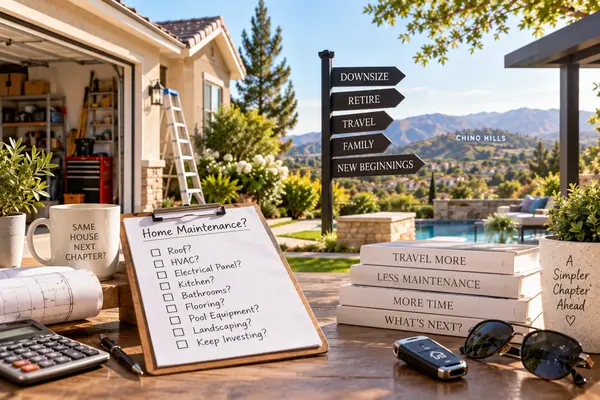
Your Chino or Chino Hills Home Is Worth $1 Million—But Do You Want to Keep Spending Money Maintaining It? You bought your Chino or Chino Hills home years ago for maybe $200,000, $250,000 or $300,000. Today? Depending on the neighborhood, size, lot, condition and other characteristics, that same home

Downsizing in Chino or Chino Hills: What If the Smaller Home Costs Almost as Much?
Downsizing in Chino or Chino Hills: What If the Smaller Home Costs Almost as Much? You've lived in your Chino or Chino Hills home for 20, 25 or maybe 30 years. It was the right house for that chapter of your life. Four bedrooms. Two stories. A pool. A large yard. Plenty of room for the kids. Maybe b